
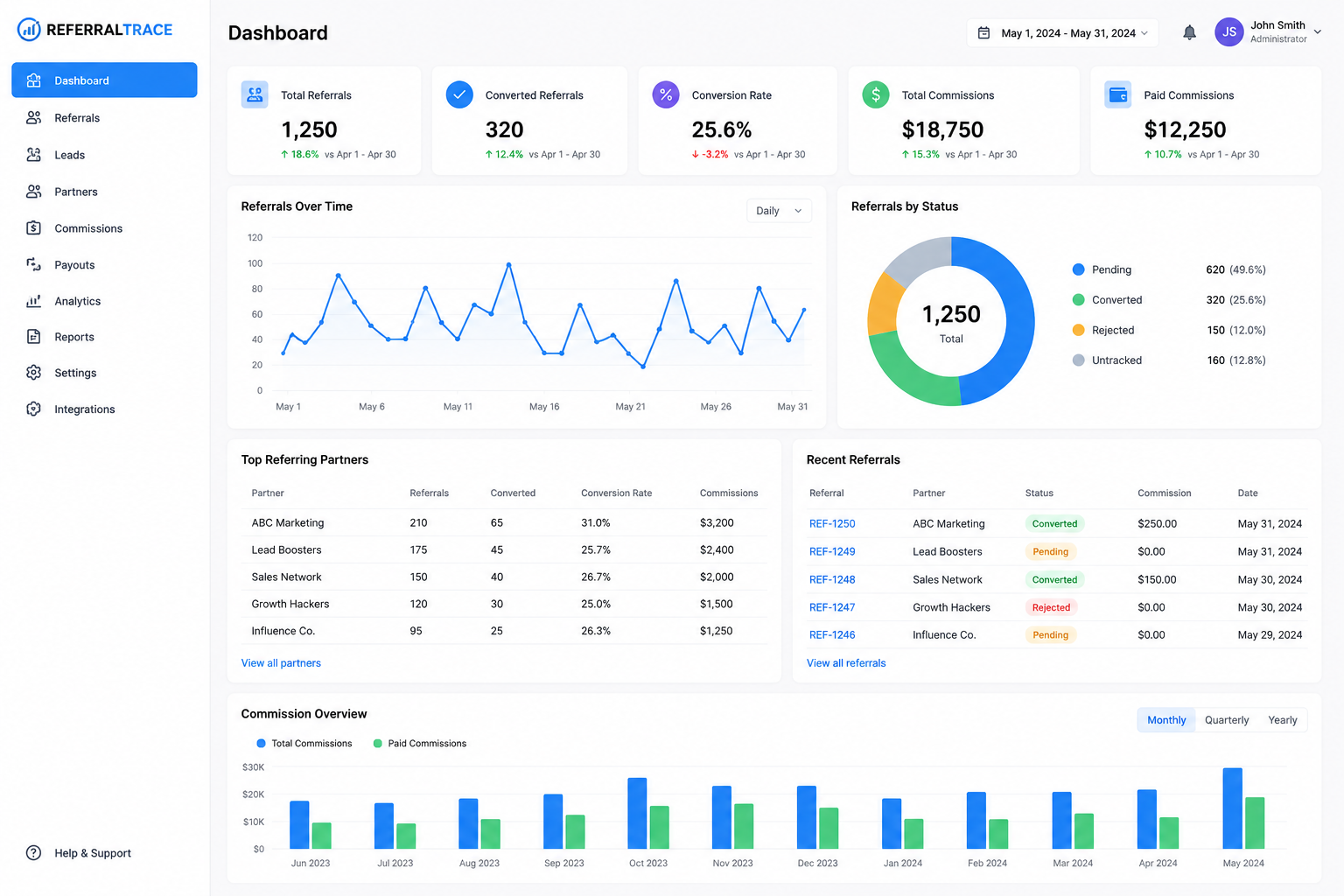
There is no shortage of data at a dealership. Website sessions, lead form submissions, call tracking reports, CRM pipeline views, DMS exports — the numbers are everywhere. The problem is that most of those numbers do not answer the question that actually matters to a Dealer Principal or General Manager.
That question is simple: which sources are producing sold customers and how much gross are they creating?
Leads are not sales. Clicks are not gross. The only number that matters at the end of the month is what sold customers produced and where they came from.
The Gap Between Leads and Sold Customers
Most dealership analytics software is built around the top of the funnel. It counts website visits, measures ad impressions, tracks cost per lead, and reports on form submissions. Those numbers have value, but they do not tell you what happened at the bottom of the funnel.
A campaign can generate hundreds of leads and produce very few sold customers. A source can look quiet in the CRM and actually be influencing a significant portion of your buyers. Without sold customer data, leadership is making budget decisions based on incomplete information.
What the CRM Gets Wrong About Source
The CRM records how a customer first contacted the store. A phone call gets logged as a phone up. A walk-in gets logged as a lot up. An email form gets logged as an internet lead. But none of those labels explain what influenced the customer before they picked up the phone or walked through the door.
That customer who walked in may have seen a Facebook ad three days earlier, searched Google, visited your inventory page twice, and read reviews before deciding to drive over. The CRM calls them a walk-in. The real influence is invisible.
This is the core problem that automotive marketing attribution is designed to solve — separating the contact method from the actual source influence.
What Dealer Principals Actually Need to See
When a Dealer Principal or General Manager opens a dashboard, they should be able to answer these questions within seconds:
How many customers did we sell this month? Which sources influenced those buyers? How much gross did each source produce? Which rooftop is performing strongest? Where are our customers coming from geographically? Which source produces the best average gross per deal?
That is not a leads report. That is a sold customer analytics view — and it requires capturing source information directly from the customer at the point of sale, then connecting it to real deal performance data.
Gross by Source Changes Everything
One of the most valuable views in dealership analytics is gross by source. Not leads by source. Not clicks by source. Gross by source.
Consider what this kind of reporting actually reveals. Two sources may each influence 30 sold customers in a month, but one may produce significantly stronger front and back gross. Without that view, a manager might treat both sources equally — or worse, cut the one that is quietly producing better deals.
| Source | Sold Customers | Total Gross | Avg Gross Per Deal |
|---|---|---|---|
| Google Search | 44 | $124,000 | $2,818 |
| 36 | $97,500 | $2,708 | |
| Referral | 21 | $68,200 | $3,247 |
| Drive By | 16 | $41,800 | $2,612 |
In a table like this, a GM can immediately see that referral customers produce the strongest average gross per deal — even though they represent fewer sold customers. That is the kind of insight that changes how a dealership invests in its marketing and customer experience strategy.
Customer-Reported Source Is the Missing Layer
System data captures contact methods. Dealer source tracking that captures what the customer says influenced them adds a layer that no CRM or DMS can produce on its own.
When a customer is asked directly — during the dealership workflow, at the point of sale — what brought them in, that answer is often more accurate than any digital attribution model. Customers remember the ad they saw, the search result they clicked, the friend who referred them, or the review site that helped them decide.
Capturing that answer and connecting it to front gross, back gross, and total gross creates a reporting view that no amount of website analytics can replicate.
Multi-Rooftop Visibility for Dealer Groups
For dealer principals who oversee multiple rooftops, the analytics challenge is even greater. Each store may have its own CRM, its own advertising spend, and its own source mix. Comparing performance across locations requires a reporting layer that sits above the individual store systems.
A group-level dashboard should show total deals, total gross, front and back gross, source performance, and rooftop comparisons in one view — with the ability to filter by date range and drill into individual stores.
That kind of visibility helps ownership make faster decisions about where to invest, which stores need attention, and which advertising strategies are working across the group.
Customer Location Data Adds Market Intelligence
Knowing where sold customers live gives dealer principals a geographic view of market reach. If most sold customers are coming from a tight radius around the store, that is useful information. If customers from a specific ZIP code are converting at a higher rate, that may suggest an opportunity to increase advertising in that area.
Map-based reporting on sold customer locations turns dealership data into market intelligence that supports smarter advertising and growth decisions.
The Right Dealership Analytics Software Focuses on Sold Customers
There are many tools that track website behavior, measure ad impressions, and count leads. What is harder to find is a platform built specifically around sold customer data — one that captures source influence at the point of sale, connects it to real gross performance, and gives dealer principals and general managers a clear view of what is actually driving dealership revenue.
That is the difference between analytics that reports activity and analytics that supports decisions.
See what your sold customers are actually telling you.
ReferralTrace captures customer-reported source influence and connects it to sold customer gross, rooftop performance, and market location data — giving dealer principals and general managers the analytics view they actually need.
See How ReferralTrace Works